Teachers
Educators expected to teach in a digital world without ever having had access to a computer or reliable connectivity.
Digital skills. Better opportunities. Brighter futures.
The Community Computer Aid Project provides free digital skills training and community-owned learning centres to teachers, students, women, youth and survivors of abuse in rural Sierra Leone — so that no community is left behind by technology.
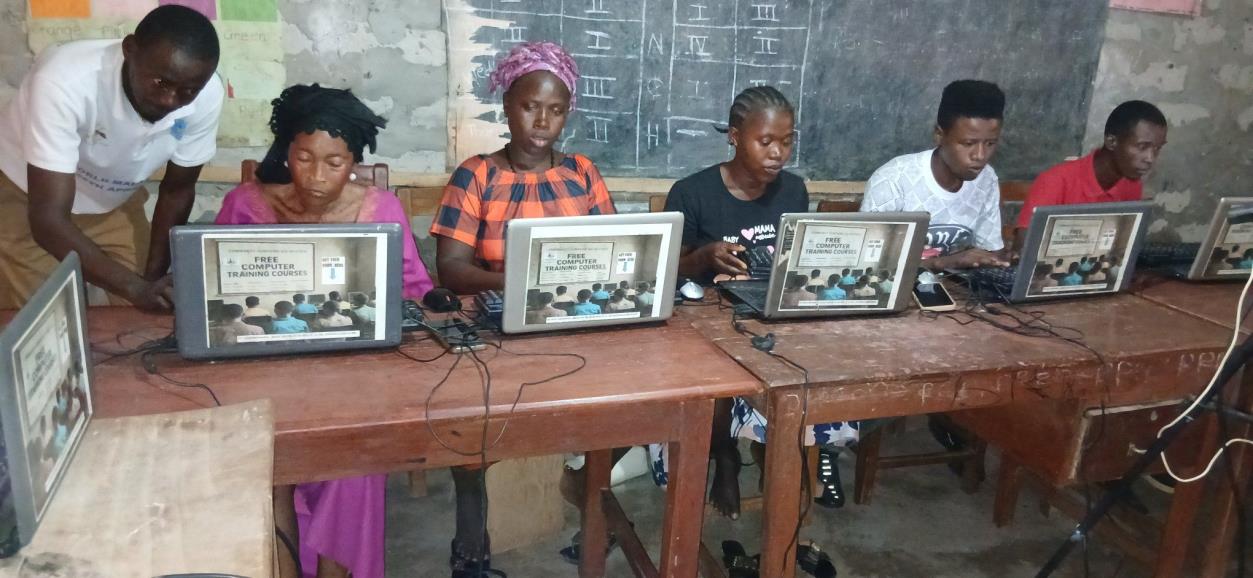
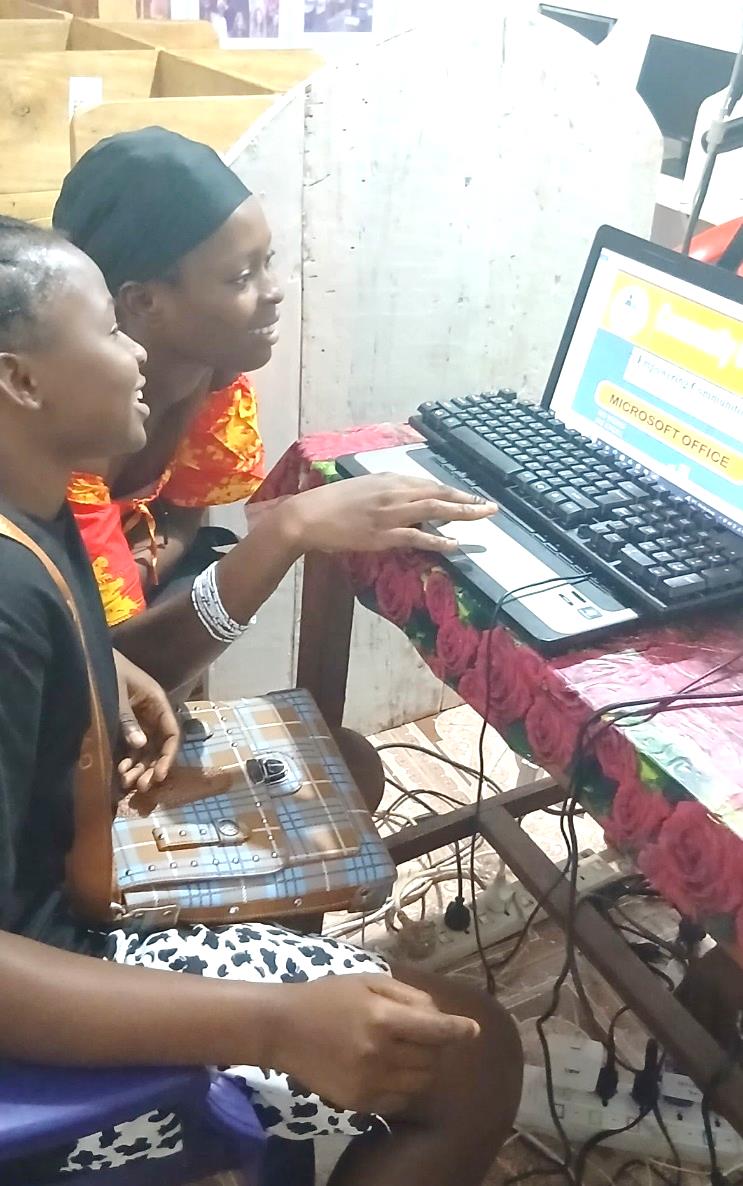
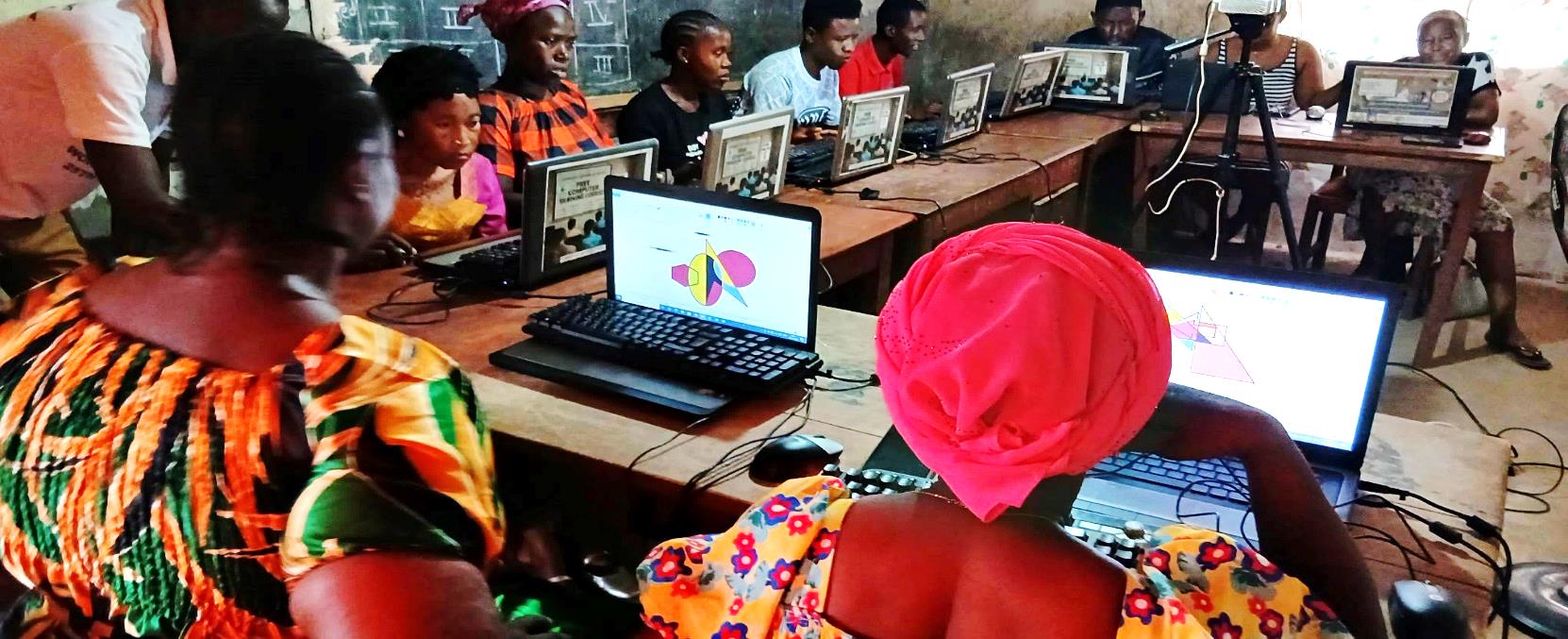
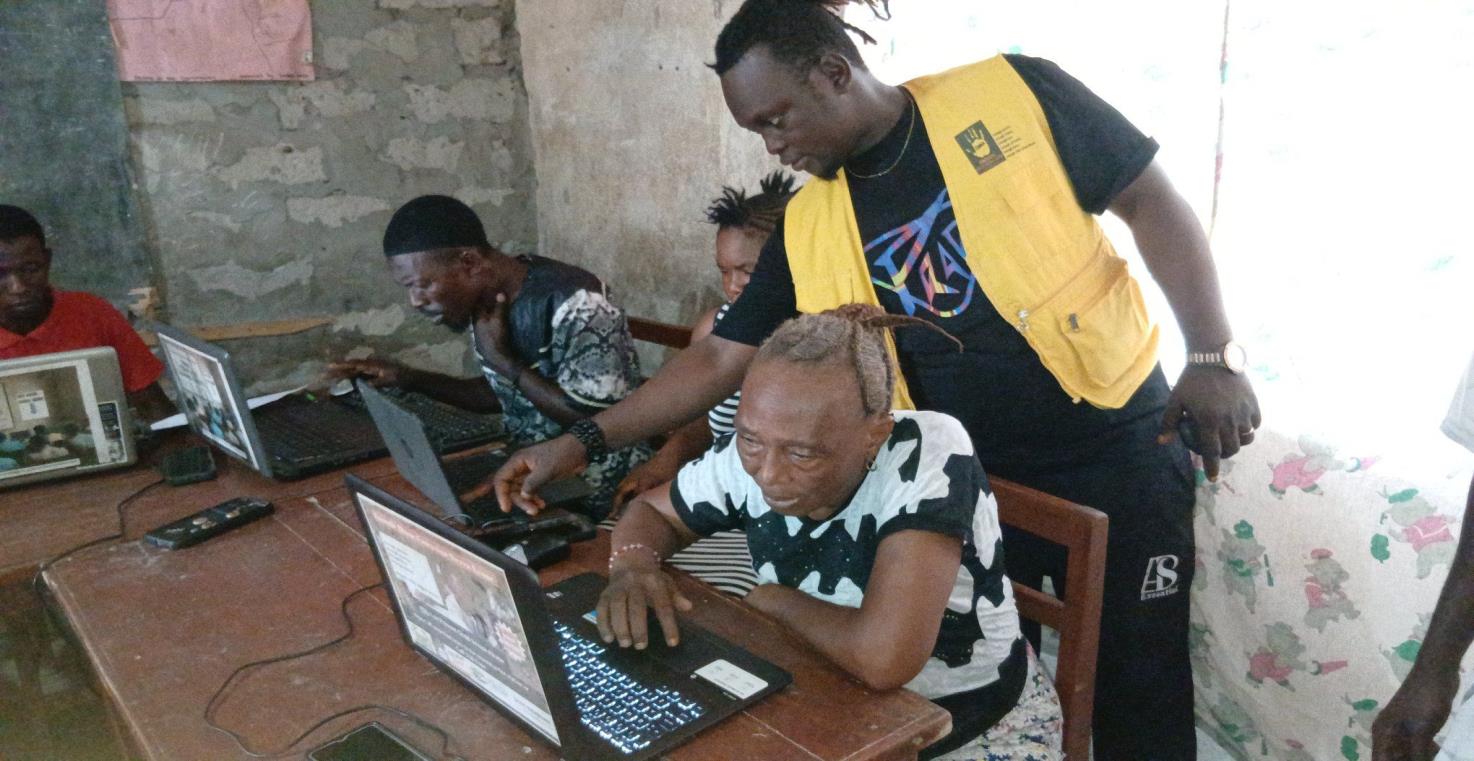
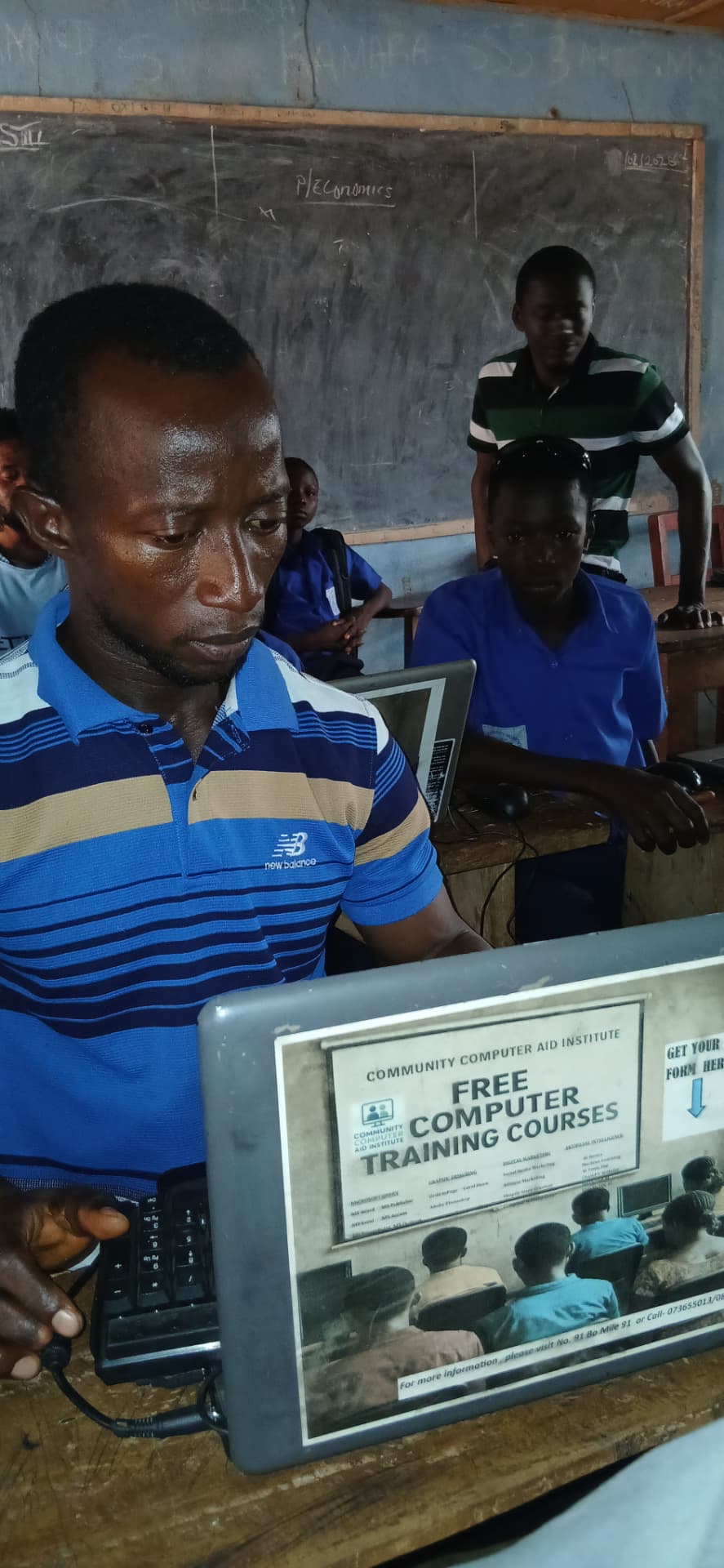
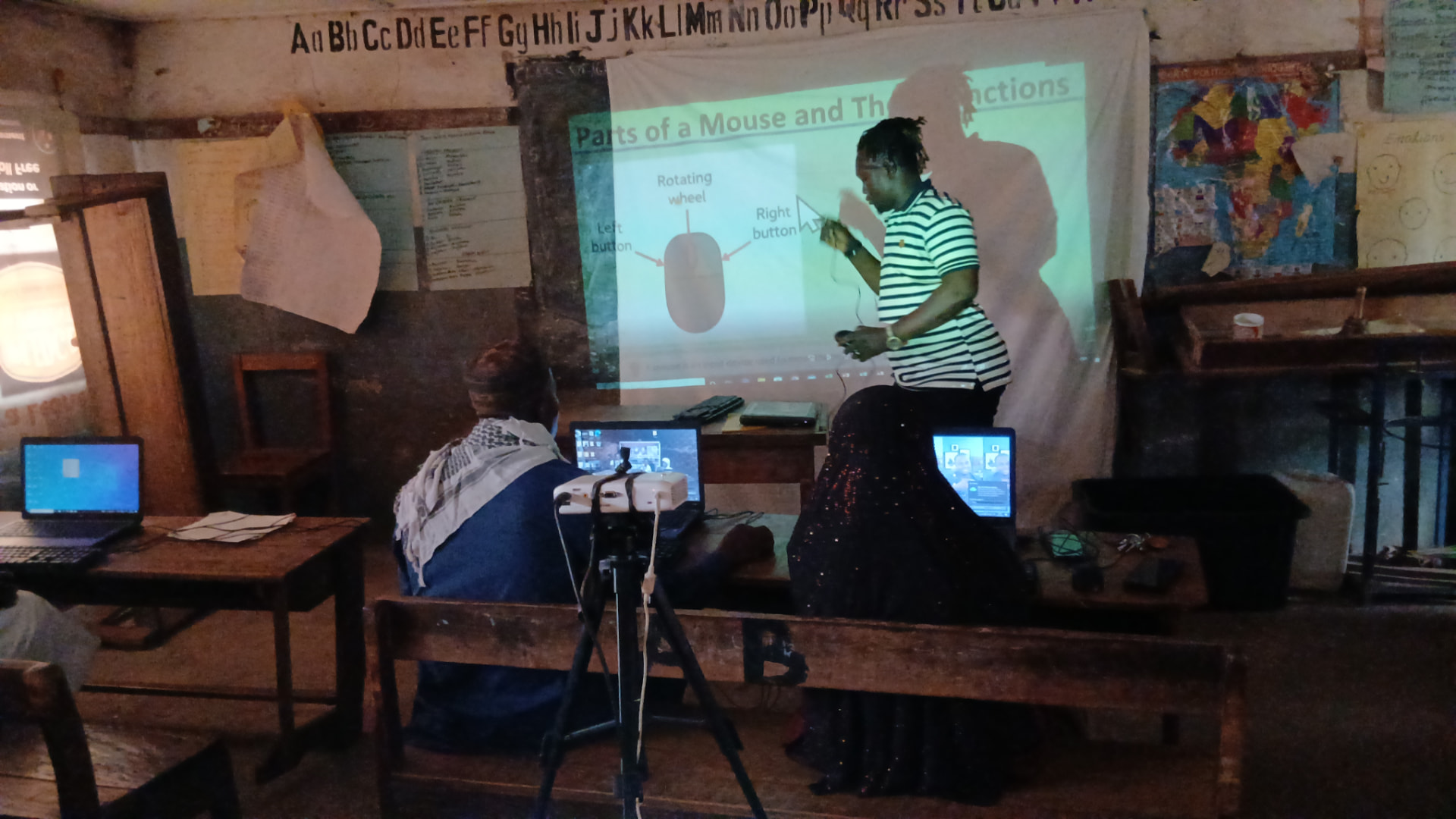
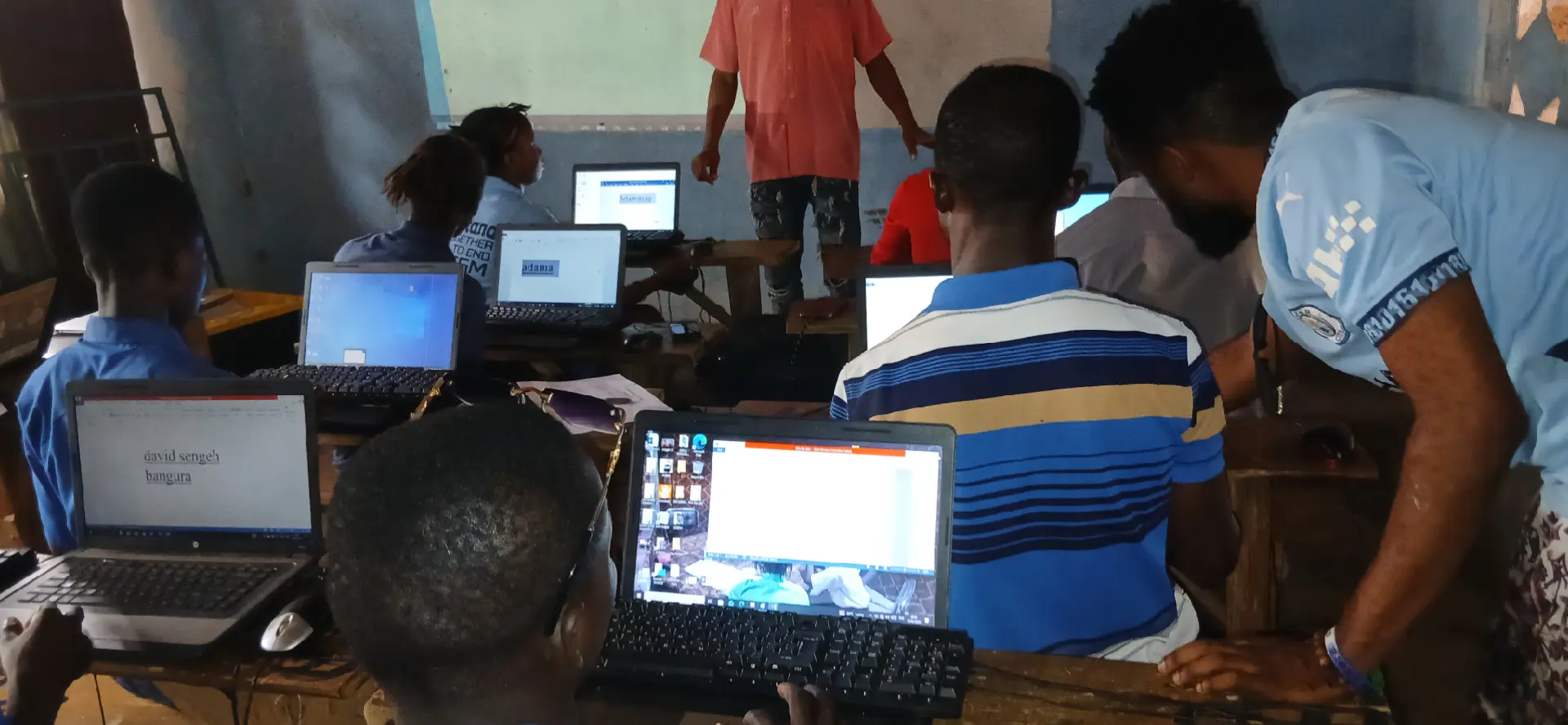
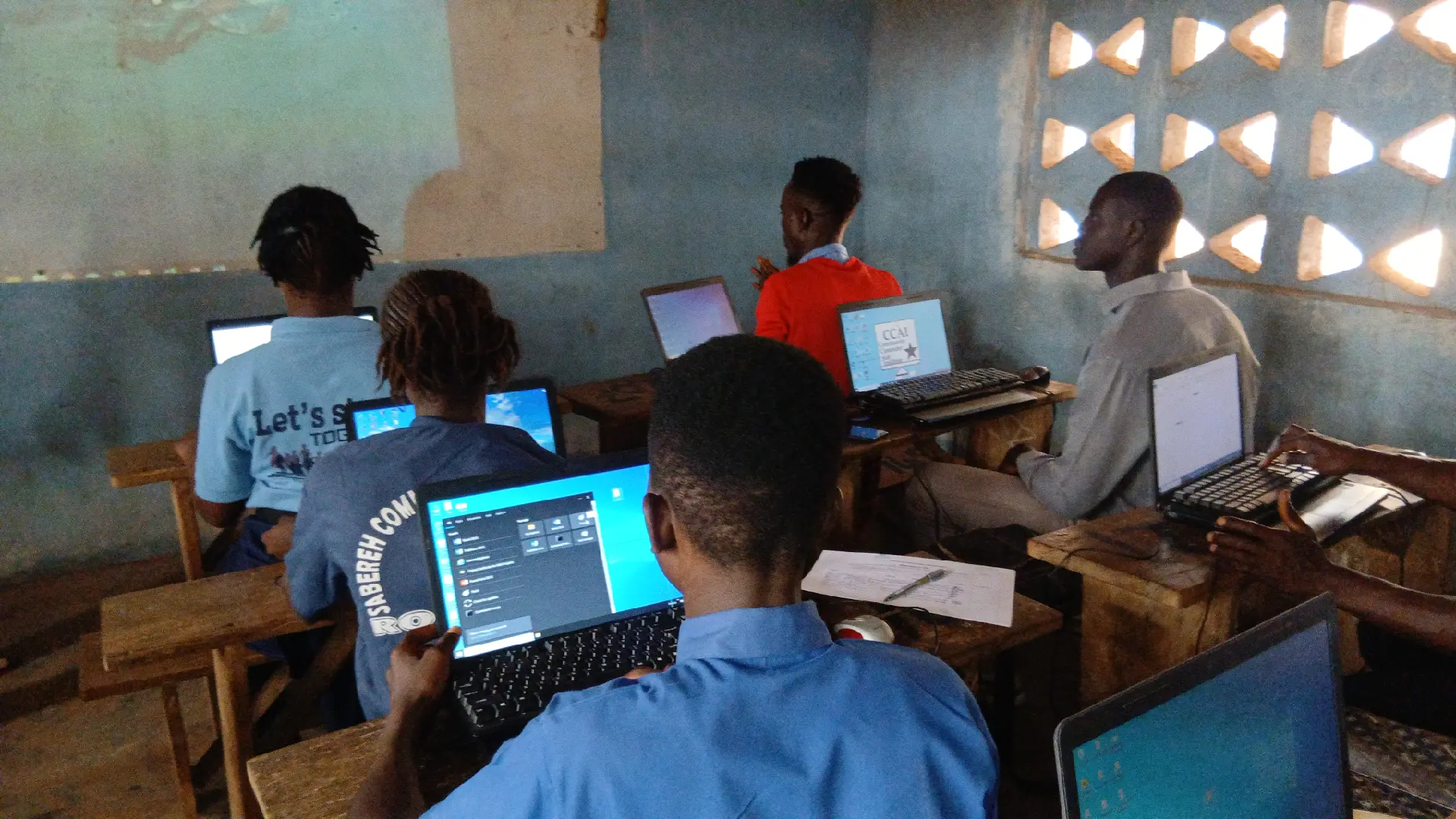
Free computer training at Ansarul Islamic Primary School
When a young person gains access to a computer, they gain more than technology—they gain confidence, opportunity, and the power to shape their future."
Francis Sam Kabba, Founder, Community Computer Aid Project (CCAP)
The Community Computer Aid Project (CCAP) is an initiative of Enough Abuse Campaign Sierra Leone (EAC-SL), implemented through the Sierra Leone Institute for Humanitarian and Sustainable Development (SLIHSD). CCAP was created to bridge the digital divide by expanding access to computers, digital skills training, and technology for vulnerable and underserved communities across Sierra Leone, enabling them to improve education, employment, entrepreneurship, and social inclusion.
We deliver free, practical training in digital literacy, artificial intelligence, graphic design, digital marketing, entrepreneurship and employability — paired with access to Community Digital Learning Centres that remain in the community as shared, lasting infrastructure.
Our approach is rooted in dignity and protection. Working through EAC-SL’s existing networks, we reach the people most often overlooked — rural teachers and pupils, women, out-of-school youth, and survivors of sexual and gender-based violence rebuilding their independence.
To bridge the digital divide by providing free digital skills training and technology access for vulnerable people in rural communities.
A digitally empowered Sierra Leone where every child, teacher, woman, disabbled people, youth and survivor has equal access to technology, knowledge and opportunity.
Across rural Sierra Leone, digital skills are treated as a basic requirement for education and employment — yet the tools to build them are largely out of reach.
Schools and community groups lack computers, so learners study technology in theory and never touch it in practice.
Educators are asked to prepare pupils for a digital economy without training, equipment or connectivity of their own.
Private training centres are concentrated in cities and priced far beyond the reach of rural households.
Social, economic, and accessibility barriers continue to limit their access to digital technologies, digital skills, and the economic opportunities that digital inclusion can create.
Thousands of young people in Sierra Leone complete their education without acquiring the digital literacy, ICT, and workplace skills that employers expect as a minimum requirement. As a result, they struggle to secure employment, start businesses, or compete in an increasingly digital economy. The Community Computer Aid Project addresses this challenge by providing free, practical digital skills training, career readiness support, and entrepreneurship development to improve employability and economic resilience.
SGBV survivors, persons with disabilities, and other marginalized groups often lack access to affordable, accessible, and supportive digital skills training. Without opportunities to develop employable skills, many remain dependent on others and vulnerable to continued poverty, exploitation, and social exclusion. The Community Computer Aid Project provides inclusive ICT training and digital literacy programmes that empower participants to gain employment, start businesses, and achieve sustainable economic independence.
CCAP exists to make technology access, economic resilience and digital inclusion ordinary parts of rural life in Sierra Leone. We do this by training people at no cost, equipping Community Digital Learning Centres they collectively own, and supporting local facilitators so learning continues long after a programme ends.
Free, practical skills for those with the least access.
Community centres with devices, power and connectivity.
Local facilitators and mentorship that keep centres running.
Every participant progresses from first contact with a computer to skills they can earn from — all delivered free of charge.
Core computer skills — devices, files, word processing, spreadsheets, email and safe internet use — taught from the ground up.
View programPractical, ethical use of AI tools for learning, lesson planning, research, productivity and small business tasks.
View programVisual design fundamentals and free industry tools so participants can create work that earns income locally and online.
View programSocial media, content and online selling skills that help small traders and cooperatives reach customers beyond their village.
View programBusiness modelling, pricing, record keeping and mobile money literacy to turn new skills into sustainable livelihoods.
View programCVs, online applications, interview practice and workplace communication to open doors to formal employment.
View programConfident browsing, email and messaging alongside online safety, privacy and safeguarding practice for learners of every age.
View programCoding fundamentals and an introduction to emerging technologies for learners ready to go beyond everyday computer use.
View programCCAP has delivered multiple ICT training sessions across Tonkolili District — in classrooms, community halls and mobile outreach visits reaching students, teachers, women and youth.
Learners at the Community Digital Learning Centre working through their practical Microsoft Word and Publisher assessments — the final step before certification.
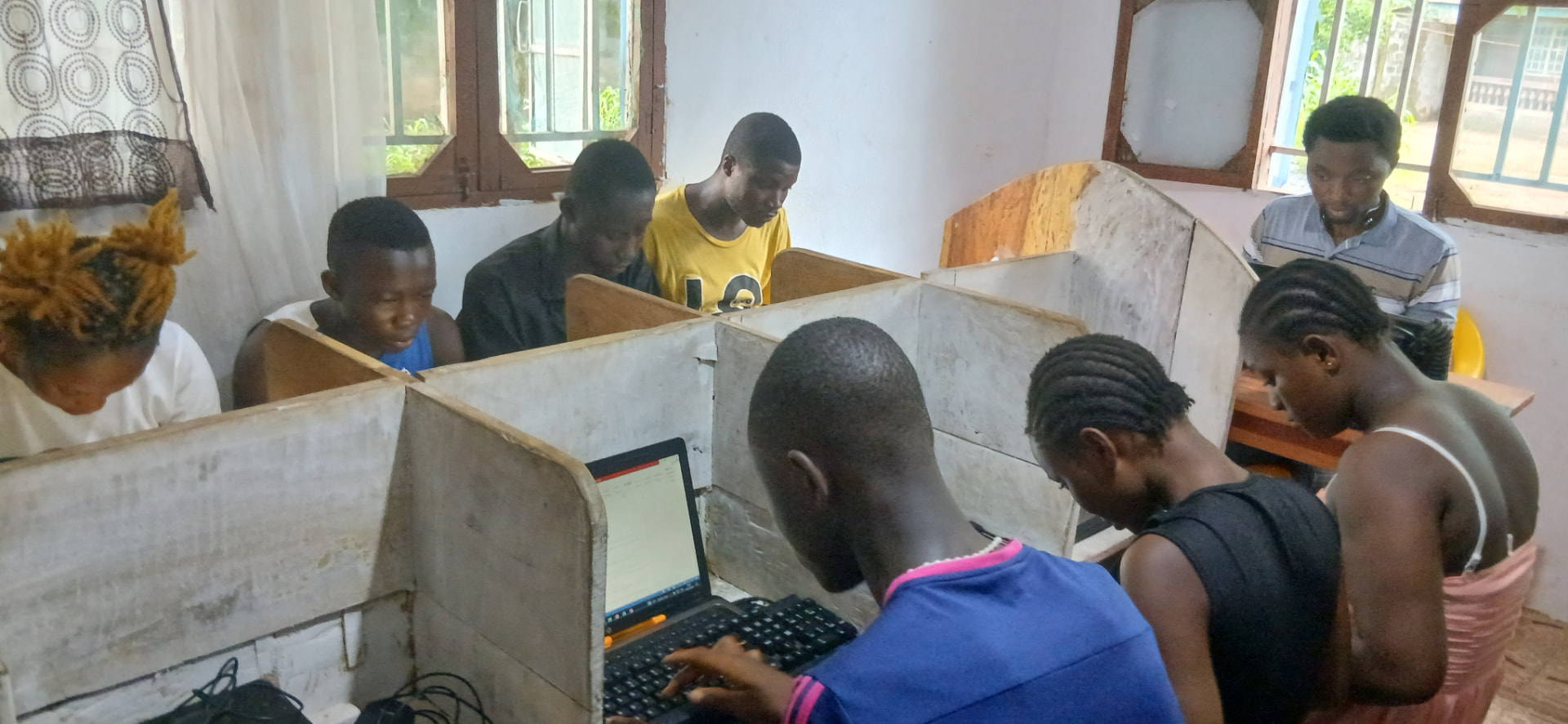
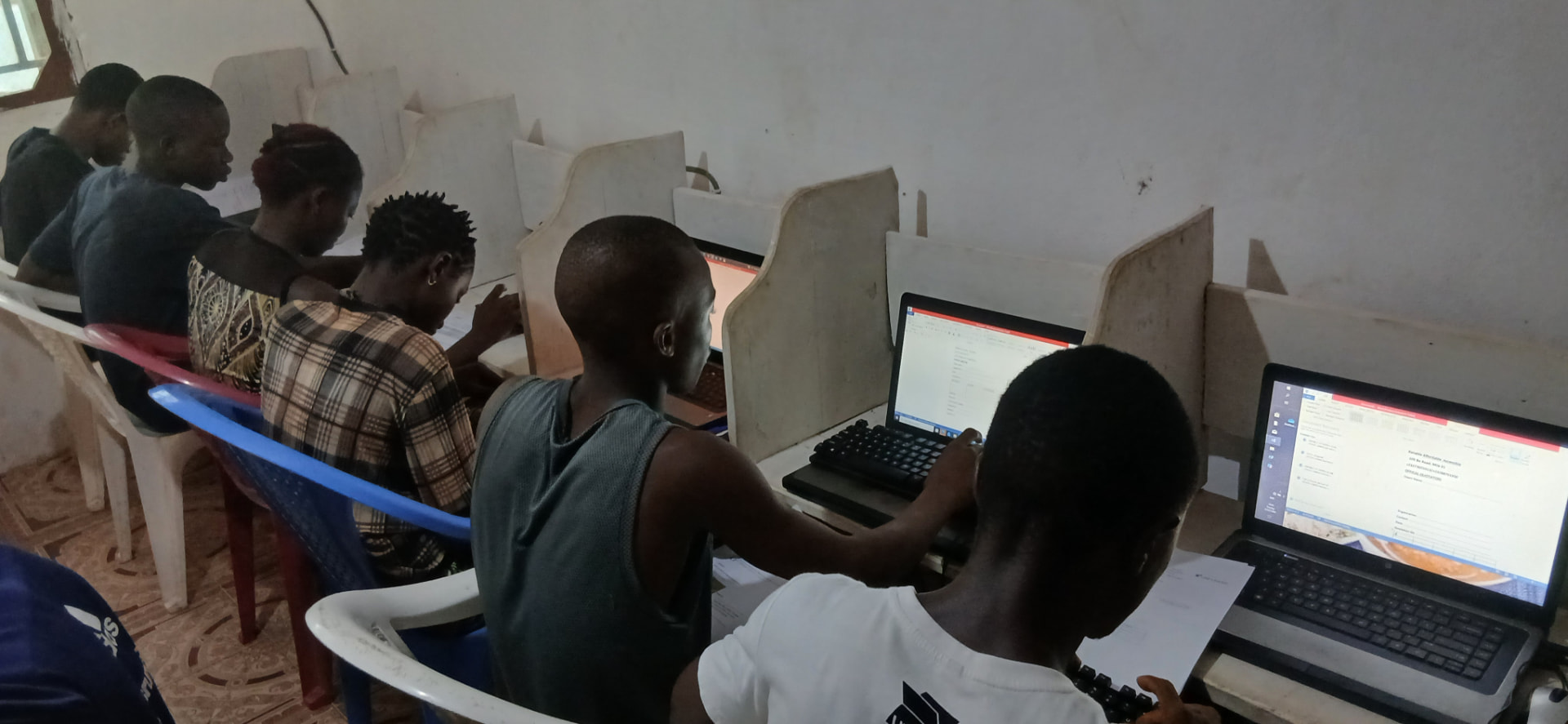
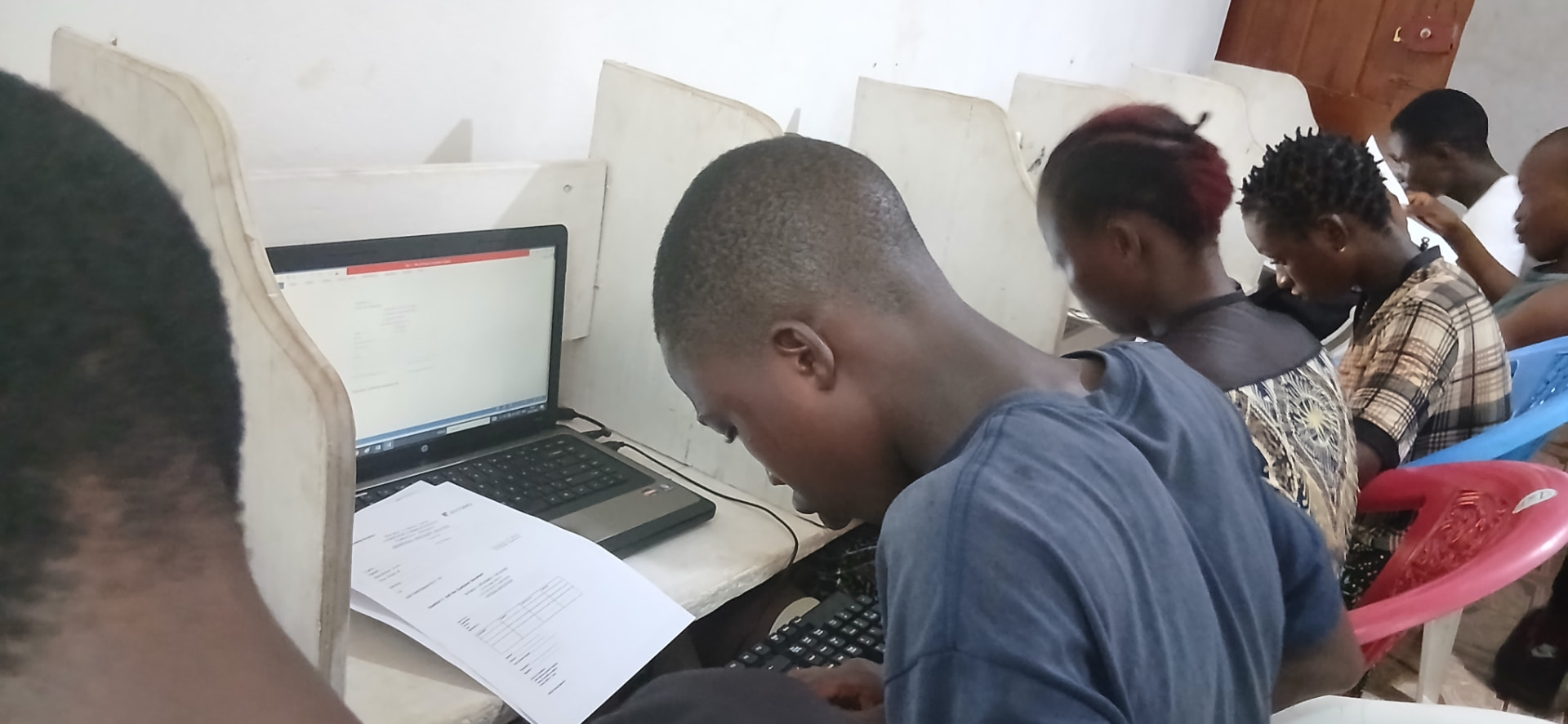
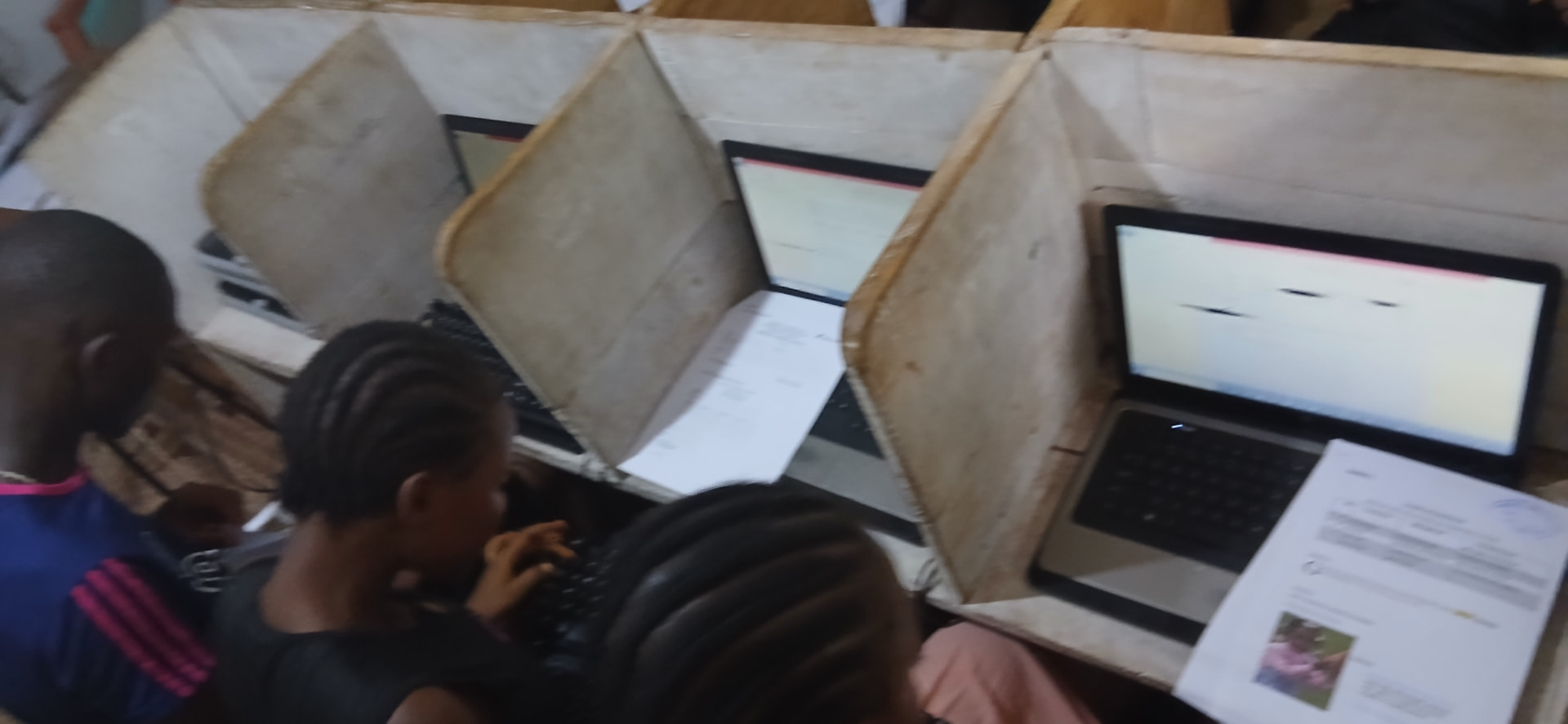
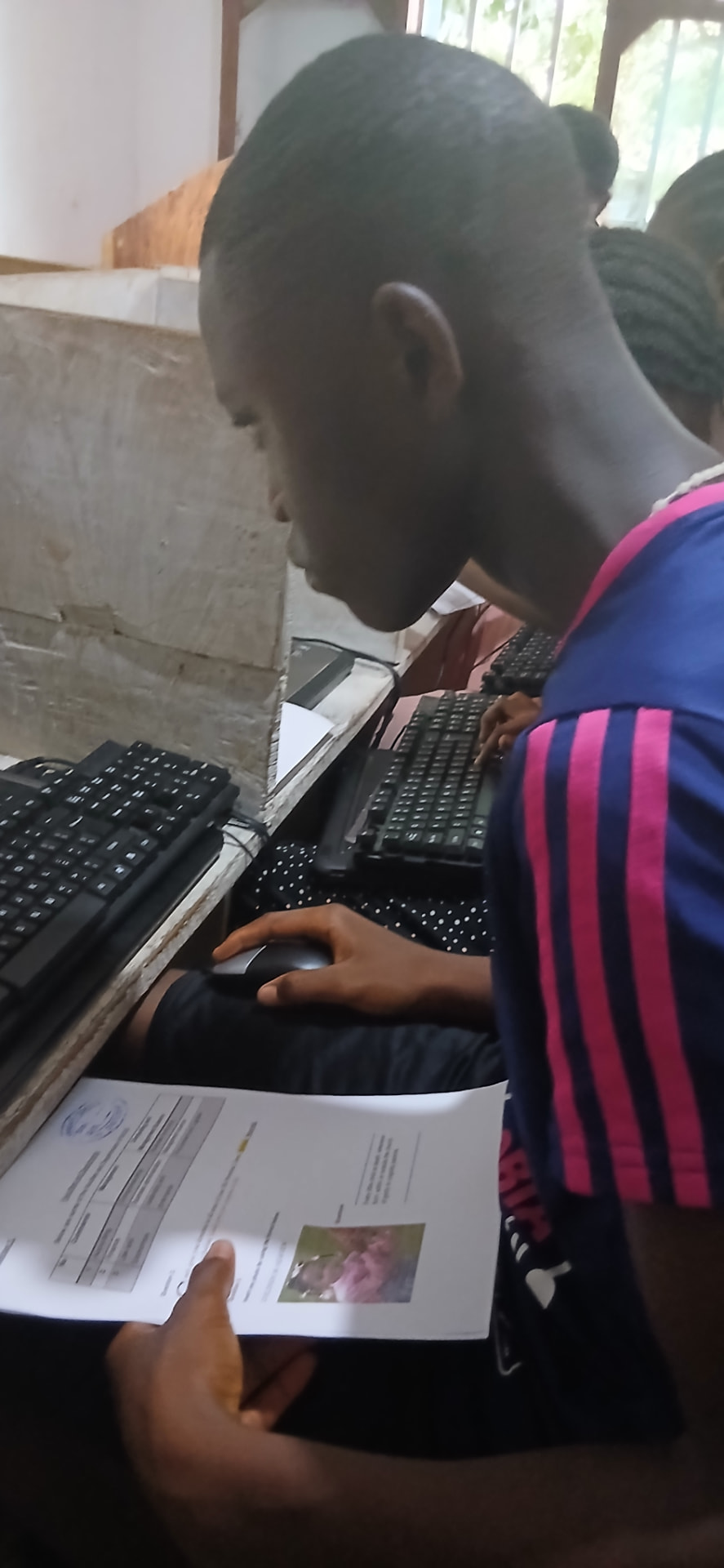
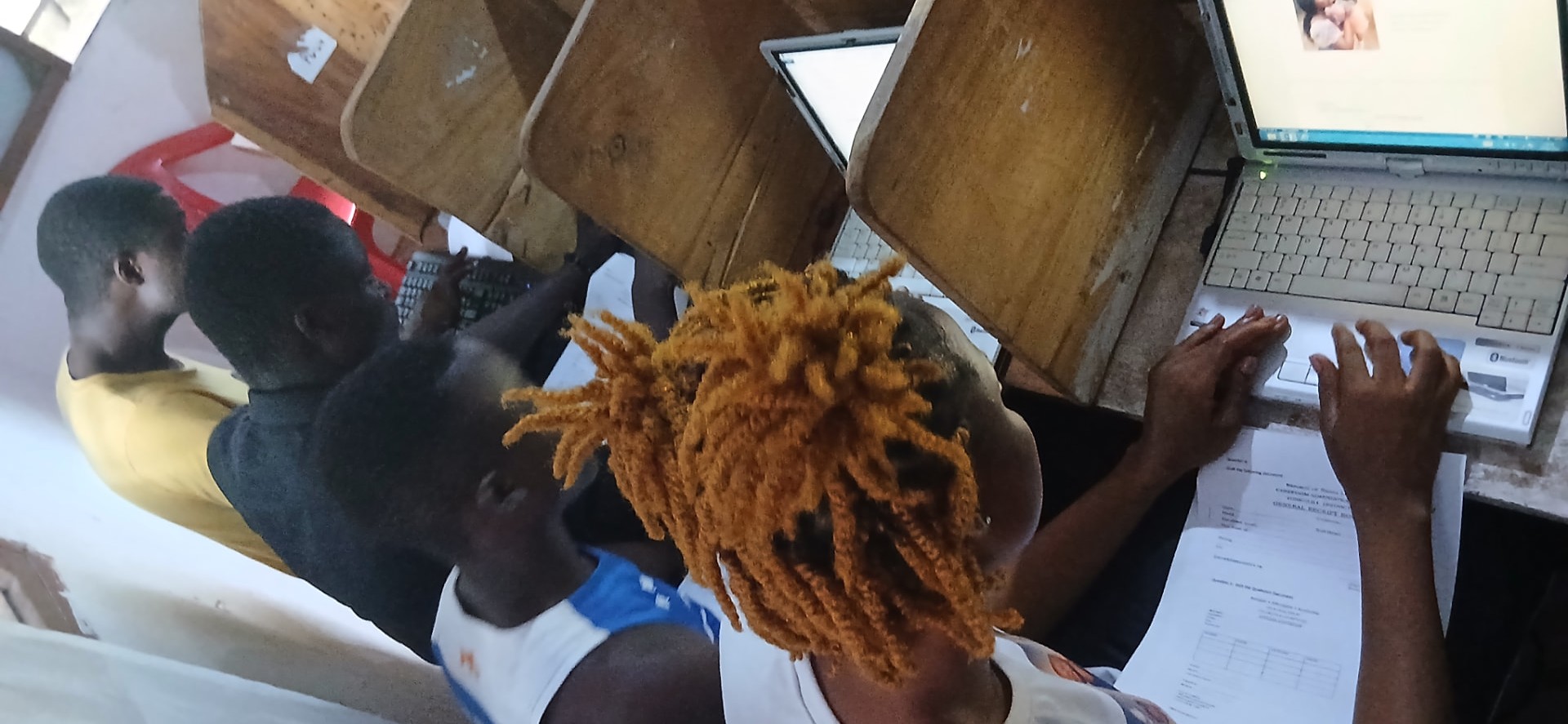
Microsoft Word practical session in the community learning centre booths
We prioritise participants for whom a single course can change a household’s trajectory.
Educators expected to teach in a digital world without ever having had access to a computer or reliable connectivity.
Learners in rural schools who finish their education with no practical exposure to the technology employers expect.
Women excluded from digital opportunity by cost, distance and social barriers, seeking income and independence.
Young people facing high unemployment who need market-relevant skills, mentorship and a path to earning.
Survivors supported through EAC-SL who need safe, dignified routes to economic independence and recovery.
Whole communities served by shared Community Digital Learning Centres they can rely on long after training ends.
Community Digital Learning Centres equipped with computers, power and connectivity turn access from a privilege into a shared local resource.
Participants leave able to use a computer, the internet and modern digital tools independently — and to teach others in their community.
Design, marketing and enterprise skills create new earning routes for women, youth and survivors, strengthening household stability.
Every centre expands the number of Sierra Leoneans who can learn, work and participate in the digital economy.
Donations fund devices, connectivity, power and facilitators. Partnerships bring equipment, curriculum and expertise. Both directly expand how many Sierra Leoneans can learn, work and thrive online.
Four ways to help: donate, partner, volunteer or share CCAP with your network.
Prefer to talk first? Call +232 76 470727 or +232 30 881716
Whether you want to fund a learning centre, donate equipment, deliver training or explore a partnership, we would be glad to hear from you.
Founder & Project Lead
Francis Sam Kabba
Based in
Tonkolili District, Sierra Leone